
Organising, mobilising and conscientizing women of Kutch in addressing gender inequities.
8
network member organizations
20,000+
women leaders and livelihood practictioners
4
talukas covered across Kutch




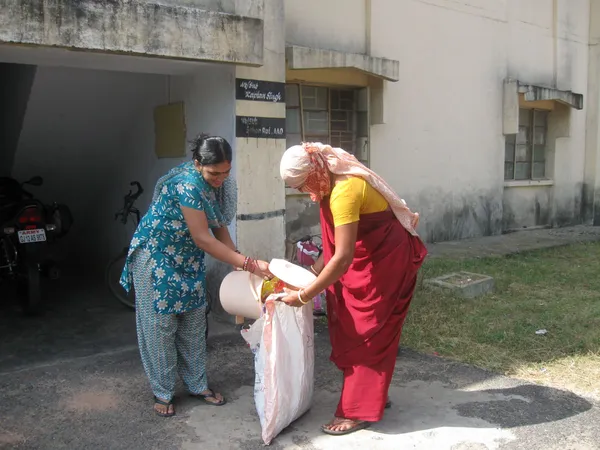
Sustaining Our Farms
Development Communication
Lorem ipsum dolor sit amet, consectetur adipiscing elit, sed do eiusmod tempor incididunt ut labore et dolore magna aliqua. Ut enim ad minim veniam, quis nostrud exercitation ullamco laboris nisi ut aliquip ex ea commodo consequat.
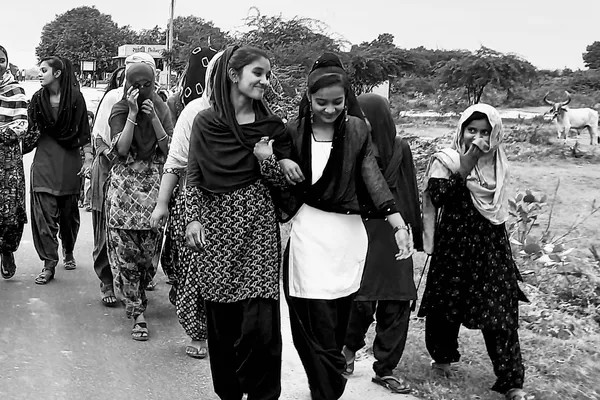
What Defines Safe
Reproductive & Child Health
Lorem ipsum dolor sit amet, consectetur adipiscing elit, sed do eiusmod tempor incididunt ut labore et dolore magna aliqua. Ut enim ad minim veniam, quis nostrud exercitation ullamco laboris nisi ut aliquip ex ea commodo consequat.
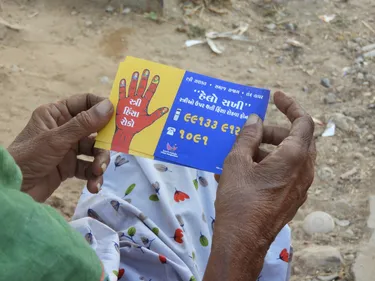
Violence against Women & Girls
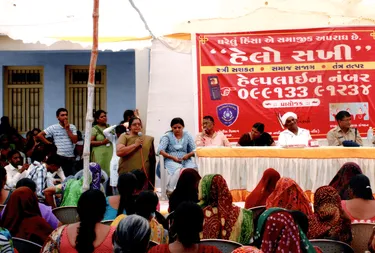
We work with an intrinsic approach to prevent violence and build capacities of women and girls to raise their voices in public and private spaces.
Read More

Making Institutions Gender-Responsive
Sensitising local self-governance bodies, educational institutes, government departments, industries, to make them more gender-equitable
Read More
Rights and Entitlements to the Marginalised
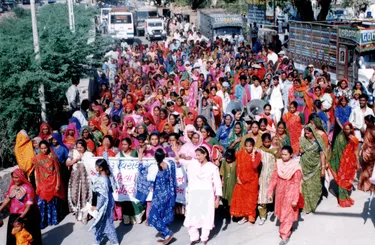
Supporting the marginalised to attain their rights of/ to an equitable and just society, sexuality and reproductive health, and citizenship.
Read More

1989-91
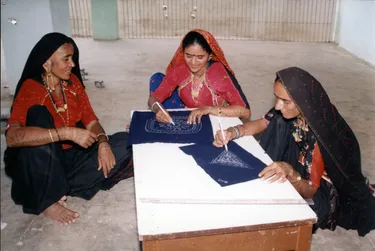
Birth - Work with embroidery artisans begins
KMVS forays into the lives of Meghwal & Sama women in Pachcham, to build an understanding of how alike our worlds were. embroidery work was identified as a way of expression and the process of collectivisation began.
View Embroidary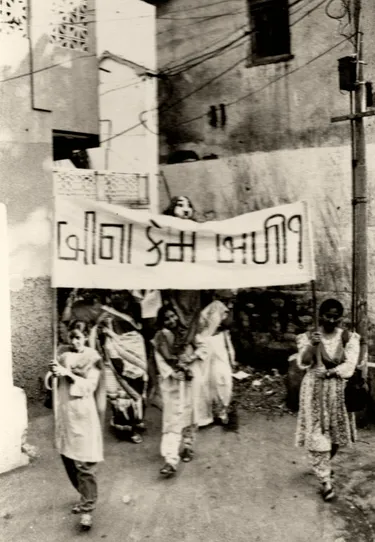
1992-1995
Waku Protest
During a community meeting in Waku village, Abdasa, it came to light that 40 young women had committed suicide in just one month, owing to domestic violence. This became the issue that mobilised an entire community and reiterated the belief that domestic violence was no longer a personal issue. It gave way to the work on violence against women which gave birth to KMVS’s family counselling process.
1997
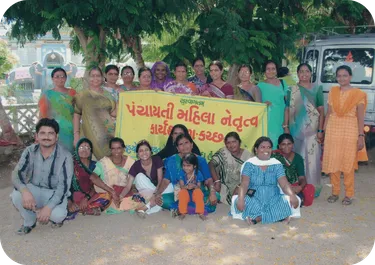
Panchayat & EWR
The 73rd Amendment in 1997 paved the way for women to come into (electoral) politics and redefine the way governance is seen. Hence KMVS took this opportunity to amplify women’s voices by using their own medium, i.e. community radio. This brought to the forefront women’s issues in Kutch, to be discussed in the mainstream.
2001
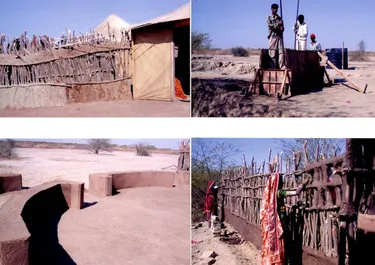
Earthquake & Rehabilitation
From 2001 to 2004 post the devastating earthquake, KMVS took a back-step from most of its programmatic work and helped to rebuild lives in Kutch through community radio, building houses, consoling people. This was a defining moment in the history of the organisation where she first started understanding community driven rehabilitation.
2004
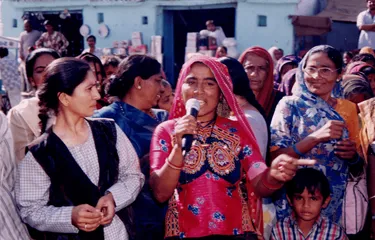
Formalisation of Sangathans - registration
The sangathans (collectives) born out of KMVS, were registered following the earthquake rehabilitation work. This institutionalised the change / transformative process that KMVS had envisioned. Over the next 10 years some of the issue based sangathans like Gram Shasini, Soorvani and Sakhi Sangini were also built up, which completely redefined the collectivisation approach from KMVS’s end.
2016 - ongoing
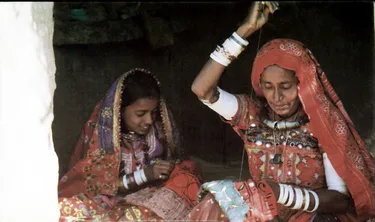
Safe District
KMVS started working with a holistic vision of women’s safety and mainstreaming it in each of its cross-cutting themes. This approach/program brought in a nuanced understanding of safety being an internalised feeling and how an ecosystem can be built so that this feeling of safety is felt at every level. The vision of a Safe District is what guides our current work.
