Programme
Yuva Vani
Making Institutions Gender-Responsive
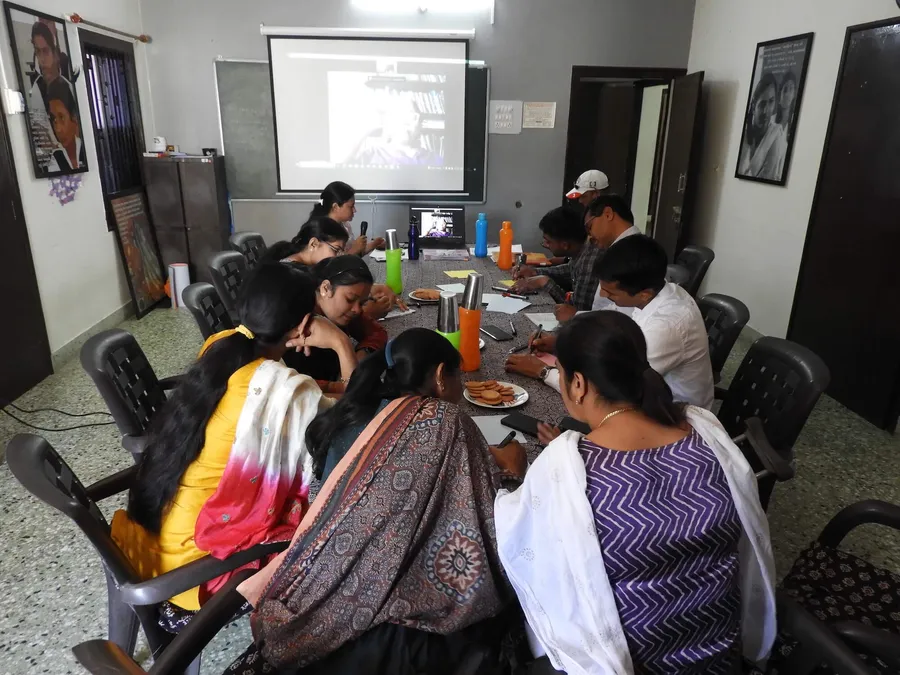
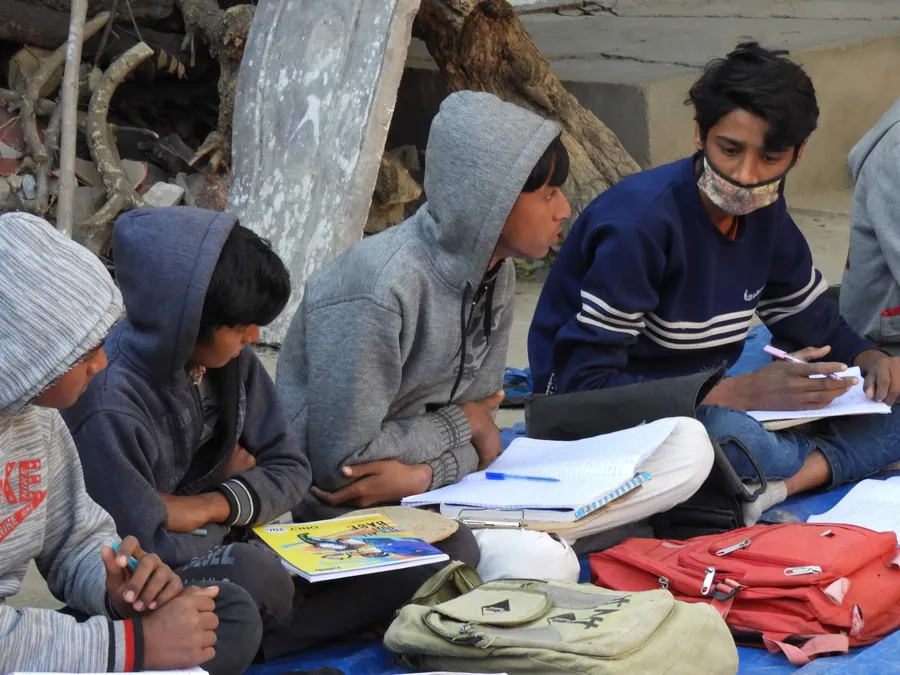
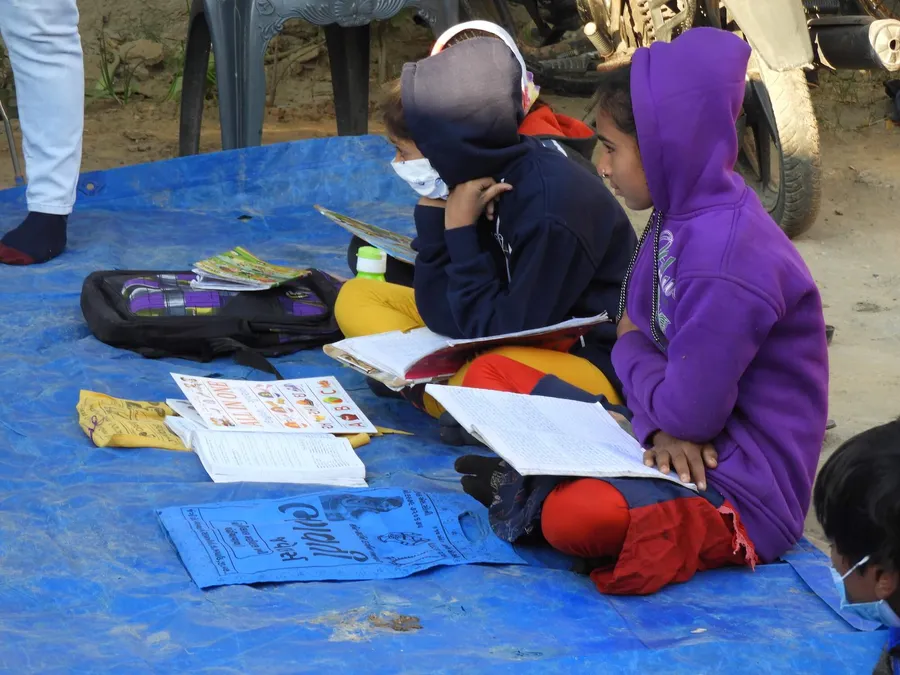
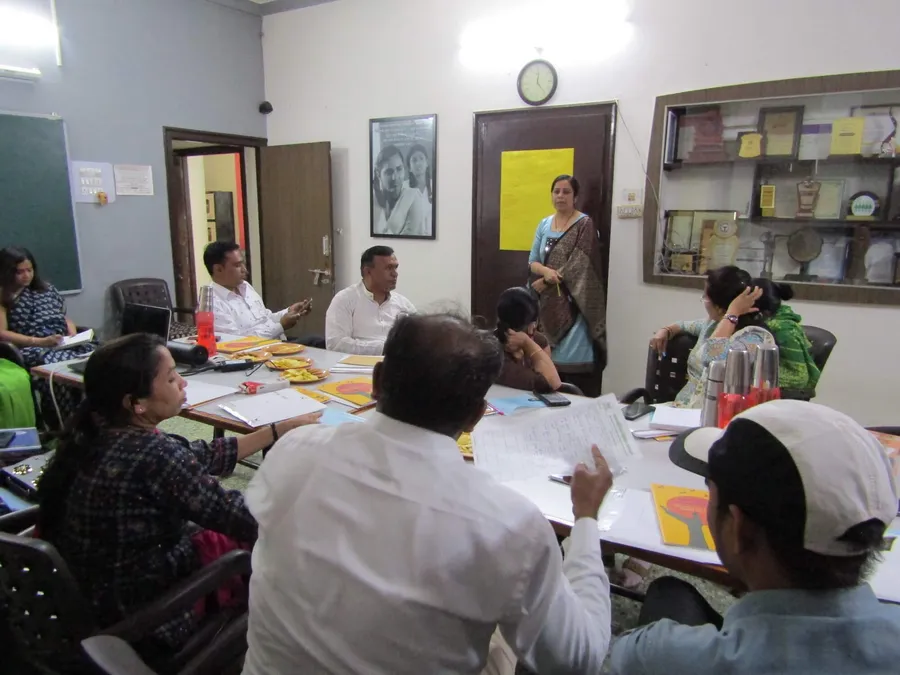
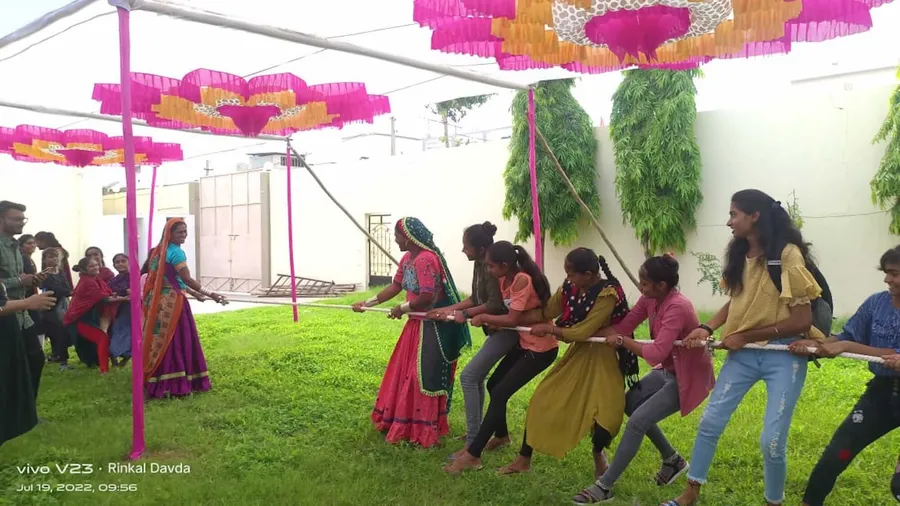
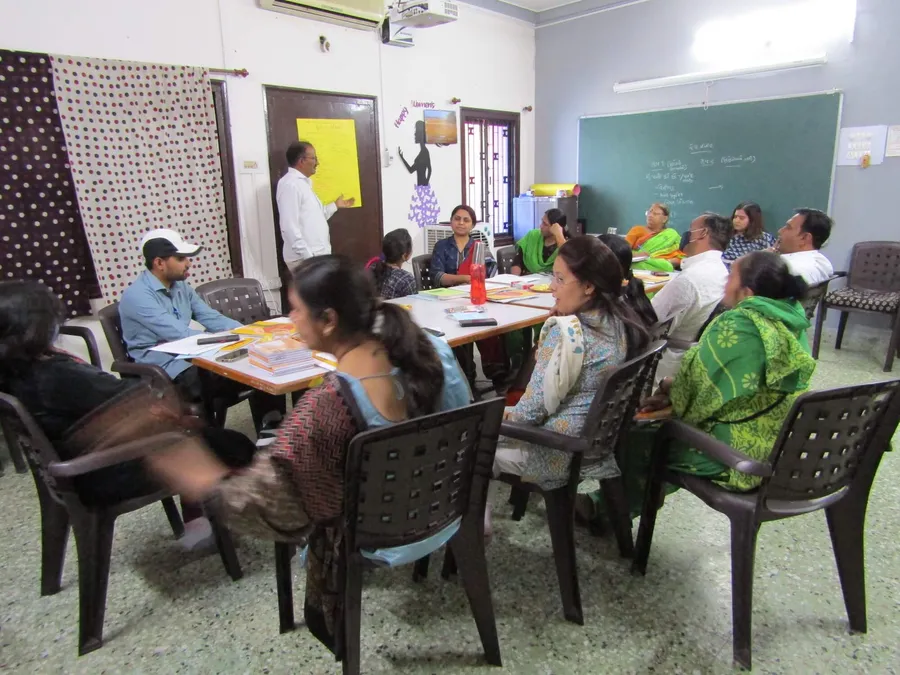
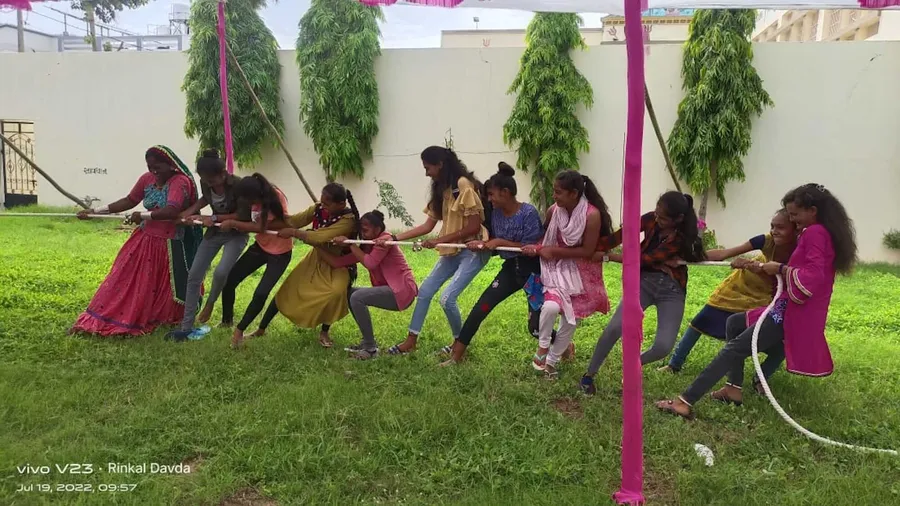
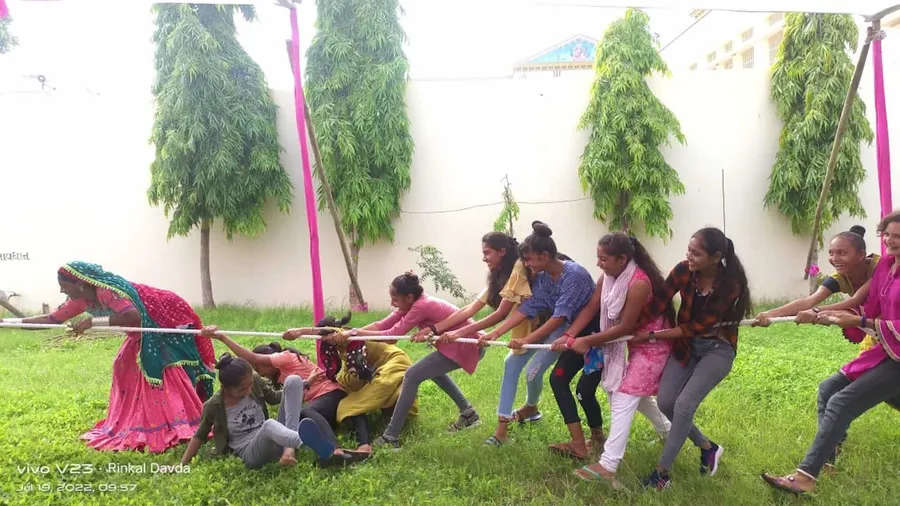
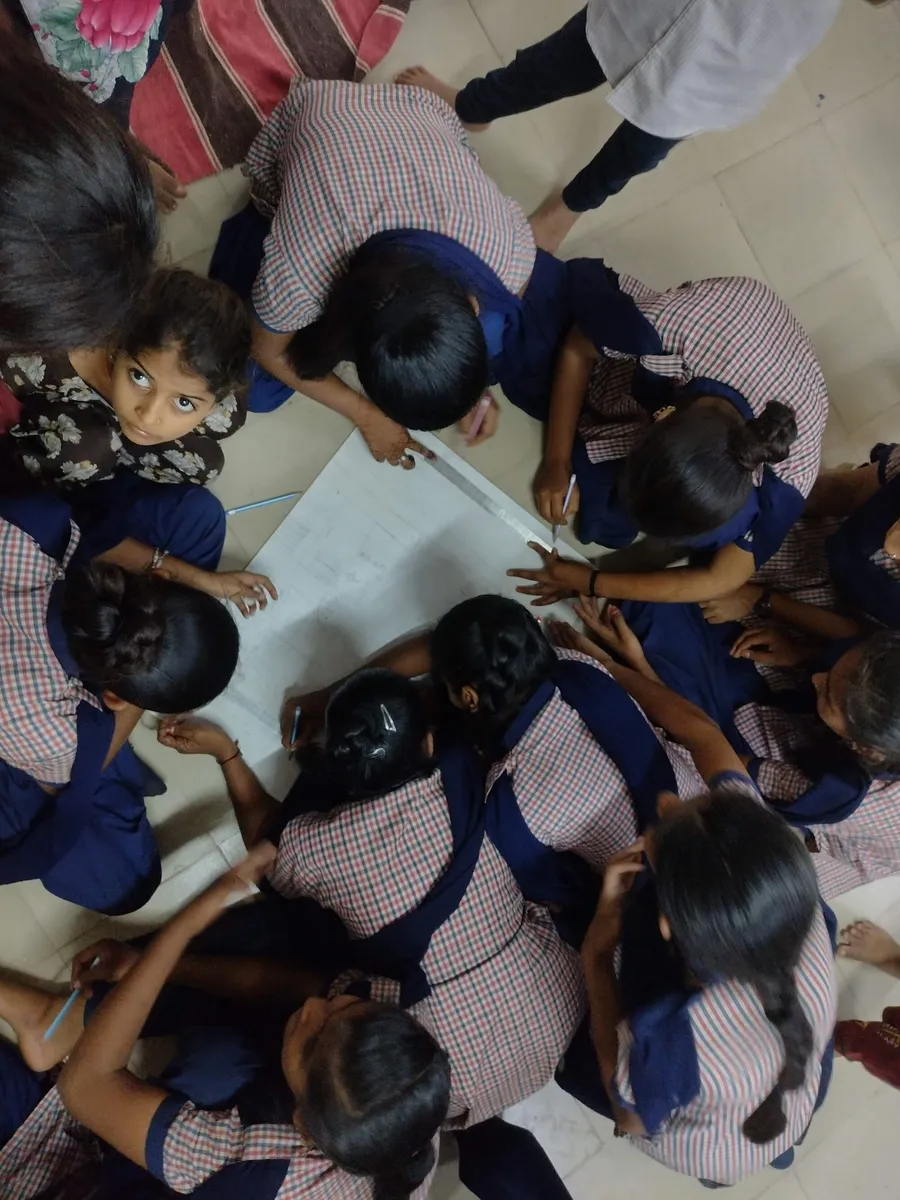
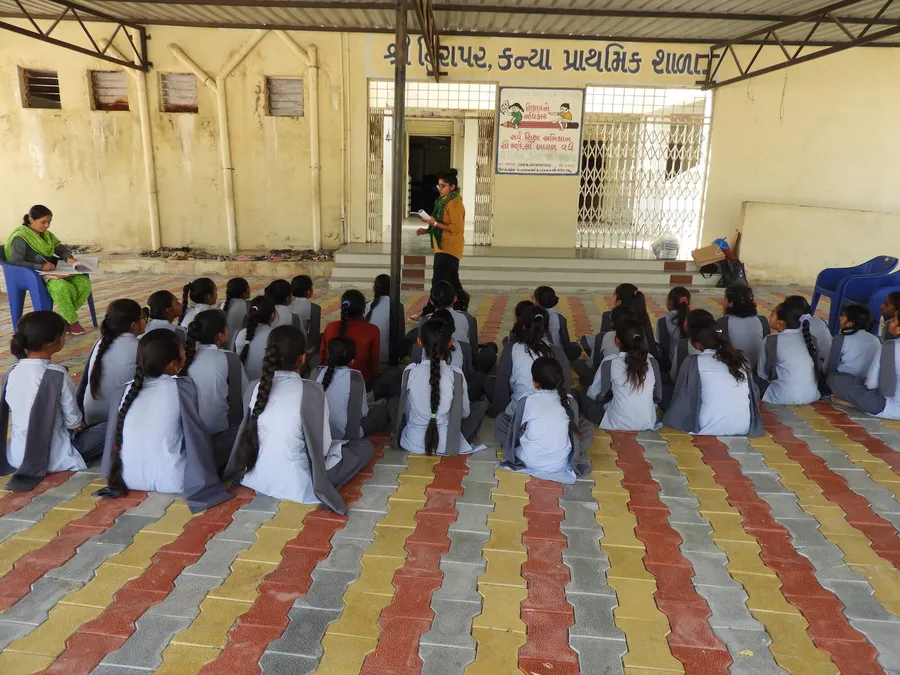
The Yuva Vani program works with youth of rural and urban areas to create awareness and dialogue around issues of gender, sexuality and patriarchy. It works with educational institutes, DIET, teachers, primary school children as well as adolescents who have been pushed out of the education system to identify issues through the lens of gender. There is a focus on building cadre through.
- To begin dialogue with the youth outside of educational spaces as well, so that they are able to exercise their agency & rights
- Make schools more inclusive spaces in terms of gender & other intersections
- Move ahead from self to society as a gender transformative approach for adolescents
- Gender Audit : Gender Audits are conducted in schools to map safety in schools for children across the spectrum of gender and its intersections
- Gender School App - The Gender School App was launched in 20__ to ease access to knowledge and build a forum for the youth to discuss concepts of gender, gender roles, sexuality and discrimination.
- Naarivadi Dhara : Is a one year long journey on which our youth embarked to build their understanding of feminism and more importantly what it means to practice feminism
- Curriculum Re-Designing : Discussions are held with the DIET to assess the current content of school textbooks through the lens of gender and propose ideas in which the language and content can be more gender non-conforming for students.
- Teachers’ Training : Trainings are held with teachers to sensitise them about the gender dynamics present in a classroom and make them aware of how to make classrooms a more inviting and exploratory space for children to learn about each other and themselves
- Campaigns
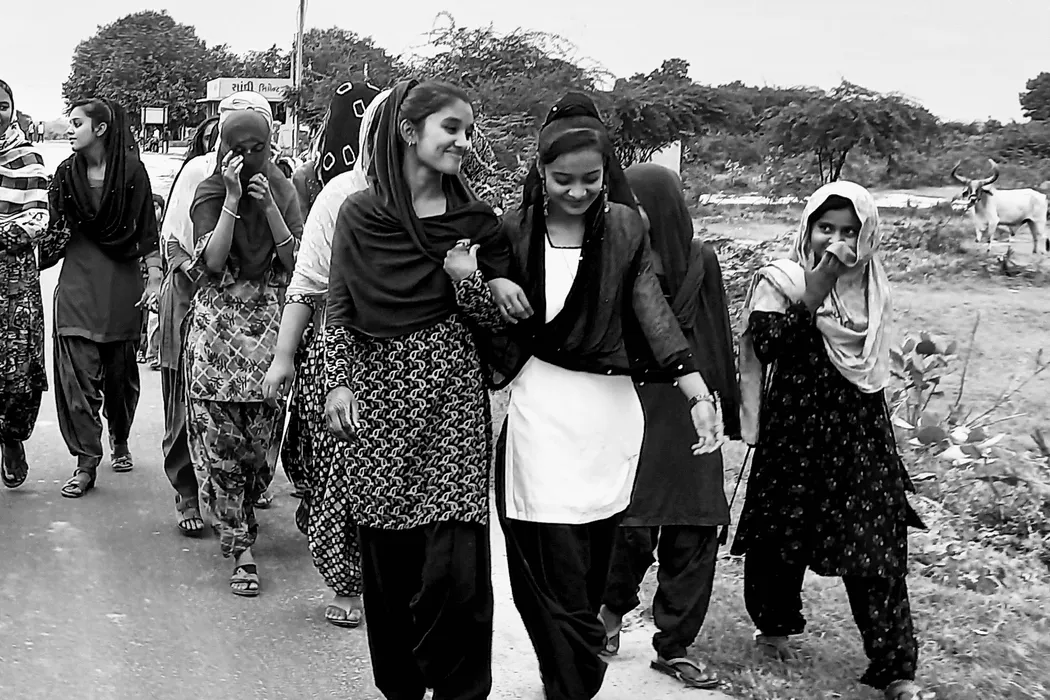
- Ek Sanjh Mari Sanjh : Ek Sanjh Mari Sanjh was conceived as a campaign to begin conversation around mobility and choice. Over the past 9 months this campaign was taken to 600 young girls across 60 villages in Kutch. This culminated in a grand event by the Hamrisar Lake in Bhuj, celebrating through poetry, theatre, art and dance, one right to mobility and rediscovering the bliss of a carefree evening.
- Baal Lagna : This campaign was started to create dialogue around the notorious practice of under-age marriages in Kutch with children, their parents and local institutions like the panchayat and school. All stakeholders of the campaign took the oath to end child marriages in their respective communities so that children may decide their futures for themselves and go forward in life to pursue their dreams instead of being bound by the shackles of an unwanted non-consensual marriage.
- Non-traditional Livelihoods Training : The outcomes of taking up a non-traditional livelihood like chakda driving are multi-fold. On the one hand, girls have a means of income in which they are self-employed and free to work on their own terms. On the other hand, by taking up a profession dominated solely by men, they are not only challenging and redefining their own boundaries but also the overarching norms of gender and sexuality assigned by society to women.
- Akhar Centre : Akhar Centres are envisioned as support classes for girls who have not been able to pursue their education due to familial constraints. The girls belong to marginalised families and juggle between their studies and support their families economically. The centres run for 9 months in a year so that the girls can relearn from the basics and also build their confidence to appear for 10th/12th class exams and enter mainstream education.
- 90+ Schools trained in gender sensitising programs
- 18 Kishori Centres : 10 in urban, 8 in rural
- Various publications to share ideas
- 11 editions of bi-monthly magazine 4 books on gender in curriculum
- 2 exercise books on masculinity and femininity
Image Gallery